Richland Tree Cutting Services for Complete Tree Maintenance
Richland Tree Cutting Services for Complete Tree Maintenance
Blog Article
Expert Tree Cutting Services: Secure and Reliable Tree Removal Solutions
Quality tree removal services play an essential role in maintaining the health and safety of outdoor spaces. These professional solutions ensure that tree removal is conducted safely and in compliance with local regulations. By assessing tree health and identifying potential hazards, specialists reduce risks associated with tree removal. Understanding the importance of these services can lead homeowners to make careful decisions about their landscapes. What factors should one consider before choosing a tree removal service?
Why Opt for Professional Tree Cutting Services?
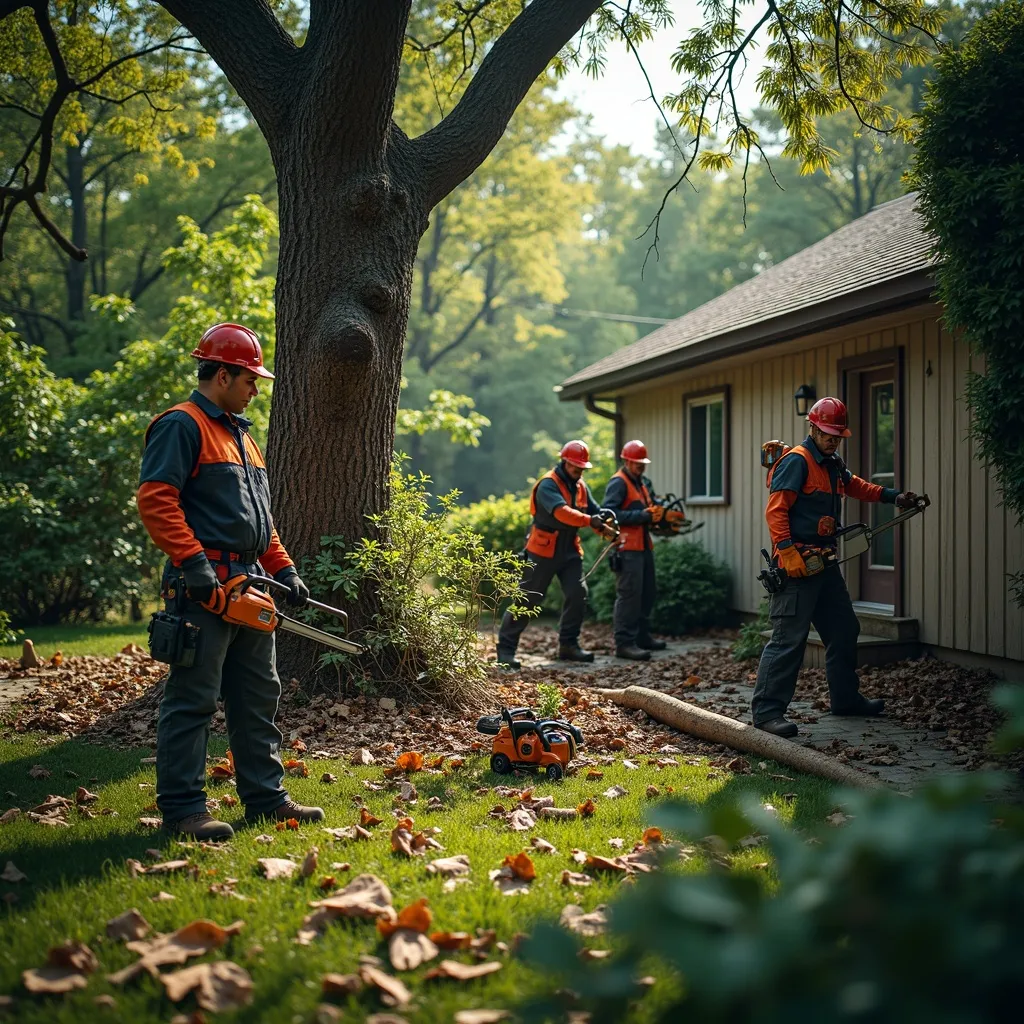
When evaluating tree care, many homeowners appreciate the benefits of contracting professional tree cutting companies. These specialists possess the needed skills and gear to tackle complex tasks effectively and safely. Their training confirms that they can examine the condition of trees and decide the best strategy, whether for reducing or total extraction. Additionally, trained personnel are well-versed in area requirements about tree cutting, avoiding prospective lawful concerns for homeowners.
Moreover, wellbeing is a significant concern, as tree cutting can pose risks if not performed correctly. Certified experts are equipped with safety apparel and observe safety guidelines to curtail accidents. They also have insurance, offering coverage against potential damages. By picking professionals, homeowners can preserve time and reduce stress, allowing them to zero in on other objectives. Ultimately, hiring expert tree cutting services guarantees a thorough, safe, and streamlined approach to tree servicing.
The Advantages of Secure Tree Extraction for Your Yard
Responsible tree removal provides many perks for bettering a landscape. By removing dangerous or unattractive trees, property owners can increase aesthetic appeal and stop potential damage to structures. Additionally, removing unhealthy trees encourages the overall health of surrounding plants, fostering a vibrant ecosystem.
Enhances Landscape Aesthetics
Removing trees can markedly enhance the aesthetics of a landscape, converting an overgrown or cluttered yard into a attractive outdoor area. By getting rid of dead or diseased trees, homeowners enable better light penetration, enabling grass and other plants to flourish. This fosters healthier flora and creates a more open, inviting environment. Moreover, clearing unwanted trees can highlight desirable features such as gardens, pathways, or architectural accents, boosting the landscape’s overall design. A well-maintained yard promotes order and tranquility, making it more comfortable for both residents and visitors. Ultimately, safe tree removal is an essential step in raising the visual charm of any property, helping to create a cohesive and attractive outdoor setting.
Stops Building Deterioration
Removing troublesome trees can greatly reduce property damage and protect valuable investments. Over time, trees that are unhealthy, damaged, or poorly placed can create significant risks to nearby structures. Their roots may extend into foundations, causing cracks and structural instability. Additionally, weak branches can fall during storms, damaging roofs, vehicles, or landscaping. By opting for professional tree removal services, homeowners can reduce these risks. Trained experts assess the health and stability of trees, ensuring that only those presenting risks are removed. This proactive approach not only safeguards properties but also increases overall safety for residents and visitors. Ultimately, timely tree removal serves as an essential investment in preserving both property and peace of mind.
Promotes Botanical Health
Maintaining a thriving landscape goes beyond merely preventing property damage; it also involves promoting the well-being of other plants. Inevitably, uncontrolled or unhealthy trees can compete for nutrients and sunlight, impeding the growth of surrounding flora. Safe tree removal eliminates these threats, allowing healthier plants to thrive. Additionally, removing dead or dying trees reduces the risk of pests and diseases transmitting throughout the landscape. This preventive approach promotes a balanced ecosystem, improving biodiversity and overall plant health. Moreover, well-managed tree removal can boost air circulation and light penetration, supporting the remaining vegetation. Ultimately, skilled tree cutting services not only safeguard property but also support a robust landscape, making sure that plants coexist in balance and sustainably.
Symptoms Your Trees Require Professional Cutting?
How can one determine when a tree requires professional cutting? Multiple signs signal the need for professional evaluation and action. First, significant crown dieback, where the upper branches lose leaves, often indicates deep-rooted problems. Additionally, visible cracks in the trunk or large cavities can undermine physical stability, making the tree a hazard. Leaning trees, especially those that show signs of instability, threaten nearby structures or individuals. Moreover, the presence of infestations or ailments, like mold formations or insects, may necessitate removal to protect surrounding foliage. Finally, excessive growth that blocks power lines or interferes with buildings indicates that professional cutting is vital to security and upkeep. Identifying these warnings promptly can avoid expensive harm and guarantee a secure space.
Selecting a Trustworthy Tree Cutting Service
When picking a trustworthy tree cutting service, what aspects should be reviewed to guarantee safety and quality? First, it is essential to verify the company's credentials, including licenses and insurance. This confirms compliance with local regulations and protection against liability in case of accidents. Second, evaluating experience is critical; a company with a proven track record in tree removal is more likely to handle complex situations expertly.
Customer comments and references can provide insights into the service's reliability and professionalism. Additionally, obtaining multiple quotes is prudent to achieve favorable costs while understanding the extent of work included. Finally, question safety protocols and equipment used during tree removal to confirm a focus on safeguarding personnel and premises. By carefully examining these considerations, customers can select a tree cutting service that prioritizes efficiency and minimizes risks.
Tree Removal Process: What to Expect
The tree removal procedure comprises several critical phases that guarantee efficiency and protection. At the outset, experts execute an evaluation to determine the best approach, applying specific tools and techniques tailored to the job. Protective procedures are crucial throughout the undertaking, protecting both the crew and the surrounding environment.
Starting Analysis Steps
Before any tree cutting can proceed, a comprehensive preliminary assessment is necessary. This appraisal begins with determining the tree species and its health, as well as any possible dangers in the area. Arborists inspect the tree's composition, including the trunk, limbs, and root system, to assess its structural integrity. Additionally, they evaluate the nearby space for impediments such as power lines, buildings, and other vegetation that could complicate the extraction. Local regulations and permits are also reviewed to guarantee adherence with safety requirements. Finally, the assessment includes considering the ecological effects, making sure that the removal is warranted and required. This comprehensive method ensures that the tree cutting service can proceed safely and effectively.
Equipment and Methods
Equipping for tree work requires a mixture of specialized tools and strategies adapted to the task at hand. Chain saws are essential for felling bigger trees, offering the capacity needed for efficient trimming. For smaller branches, handsaws or pole-saws might be utilized to confirm precision and direction. In addition, ascent equipment, like harnesses and ropes, allows team members to gain access to elevated areas safely.
Methods including the notch and felling cut method are commonly employed to guide the tree's fall direction, reducing hazards. Stump grinders and chippers are regularly applied post-cutting to address material waste in an efficient way. All tools and techniques is determined based on the tree type, location, and general project needs, ensuring a productive and methodical removal operation.
Safety Protections Established
Maintaining protection is vital during the tree cutting process, as numerous hazards can result from working with heavy equipment and falling branches. Professional tree cutting services institute various protective measures to minimize risks. Workers typically wear personal protective equipment (PPE), including helmets, gloves, and eye protection, to guard against potential injuries. The work area is secured to keep bystanders at a safe distance. Additionally, tree cutting crews review the surrounding environment to identify hazards such as power lines or unstable ground. Prior to beginning, a thorough plan is created that describes cutting techniques and escape routes. This structured approach not only guarantees the safety of the crew but also secures property and the public during tree removal operations.
Green Tree Removal approaches for conscious property care
Adopting green tree removal strategies is important for limiting environmental consequences. Professionals in the industry focus on methods that lower damage to nearby habitats. This involves detailed planning, making sure that only vital trees are taken out while safeguarding the health of adjacent flora and fauna.
Organizations deploy equipment that minimizes soil disturbance, protecting root systems of adjacent plants from injury. Additionally, they often recycle tree waste into compost or mulch, promoting sustainable landscaping and minimizing landfill contributions.
Additionally, sustainable services may encompass tree replanting programs, where new trees are positioned to compensate for those extracted, supporting biodiversity and boosting air quality.
These practices not only sustain ecological balance but also indicate a devotion to ethical management of natural resources. By adopting such approaches, tree removal services enable a better ecosystem while effectively tackling tree-related issues.
Tips for Keeping Your Landscape Following Tree Removal
Sustaining a landscape after tree removal requires mindful planning and upkeep. Once the tree has been cut down, the first step is to address the remaining stump and roots. Stump grinding process can mitigate potential dangers and make possible smoother landscaping. Next, soil health should be assessed; blending in organic material or nutrients can enhance nutrient levels for fresh plantings.
Choosing suitable replacement plants is vital. Selecting plants that flourish in the local environment will support a balanced ecosystem. Additionally, landscaping elements such as mulch associated article can help maintain water and suppress weeds.
Consistent maintenance, such as irrigation and trimming, will be essential for the new plants to flourish. Checking for insect problems is also important, as the removal of a tree can disrupt local animal habitats. By focusing on these aspects, homeowners can effectively restore their landscapes, guaranteeing they remain lush and strong after tree removal.
Frequently Common Questions
How Expensive Does Skilled Tree Pruning Typically Cost?
Professional tree removal typically costs between $200 and $2,000, based on factors such as tree size, location, and complexity of the job. Additional services like stump removal may incur extra charges, influencing the overall price.
Are There Any Licenses Required for Tree Removal?
Many municipalities demand credentials for removal of trees, notably for protected species or specific locations. Property dwellers should review local regulations to ensure compliance, as omitting to obtain necessary permits can lead to fines or legal issues.
Which Protection Do Tree Cutting Services Need?
Tree cutting services should possess liability insurance to cover potential property damage, workers' compensation for employee injuries, and any additional coverage required by local regulations. This guarantees protection for both the company and its clients during operations.
Will Tree Roots Compromise My Home's Foundation?
Yes, tree roots can affect a home's foundation. As they expand, roots may exert pressure or cause soil displacement, potentially leading to structural damage. Homeowners should monitor nearby trees to reduce threats to their foundations.
What timeframe does the tree cutting work usually require?
Cutting down a tree generally takes anywhere from a few hours to a full day, depending on the tree's size, location, and difficulty level. The timeframe is also influenced by factors such as equipment and number of workers.
Report this page